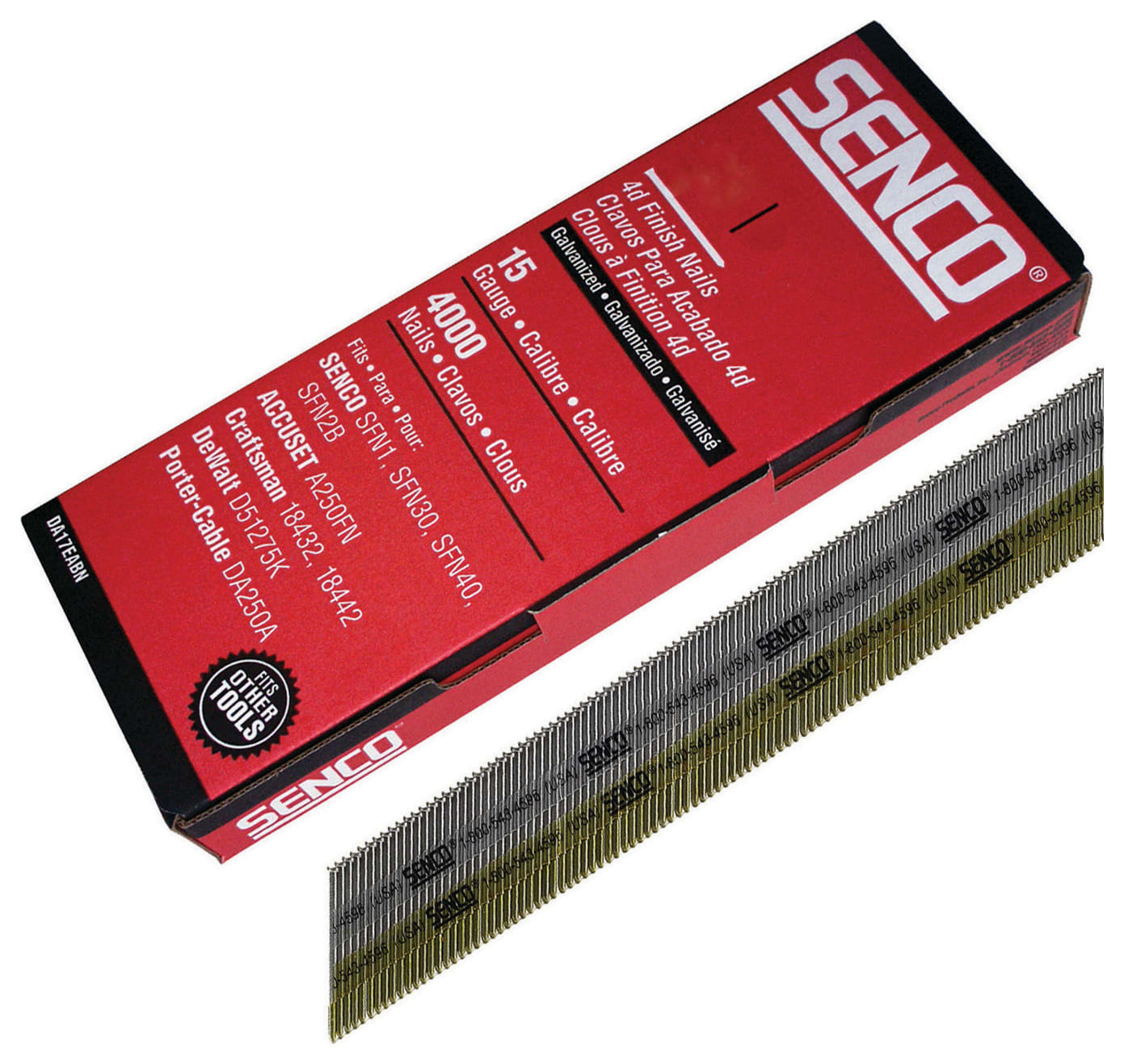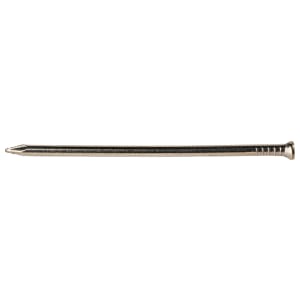
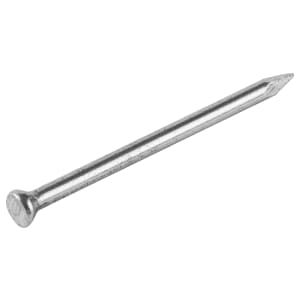
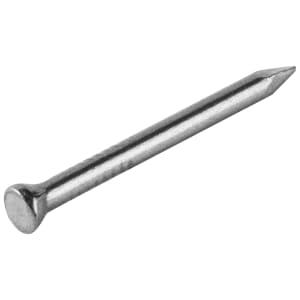
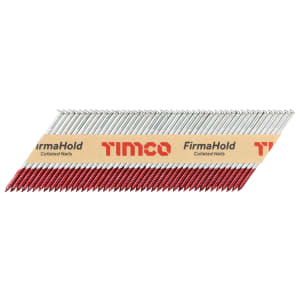
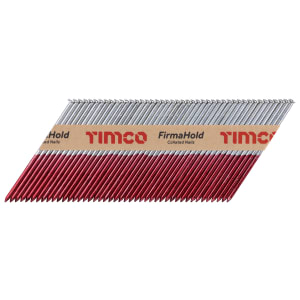
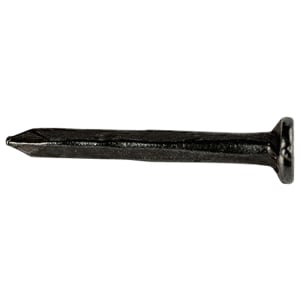
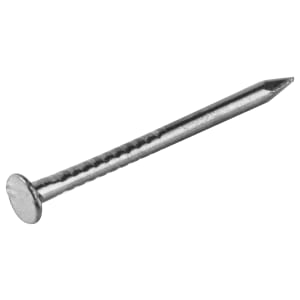
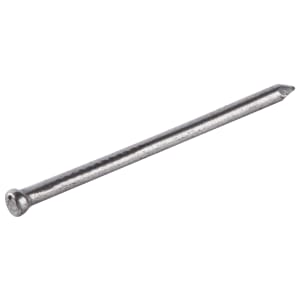
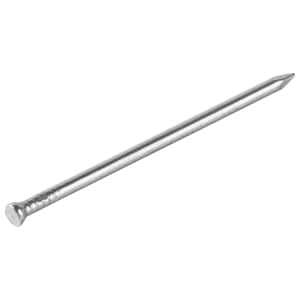
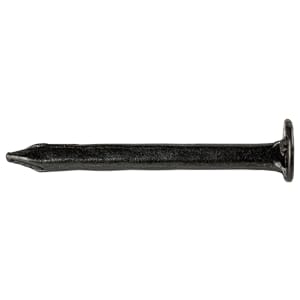
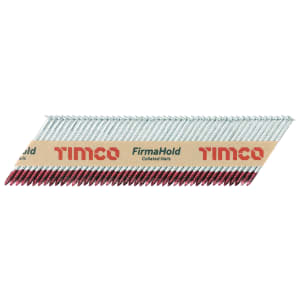
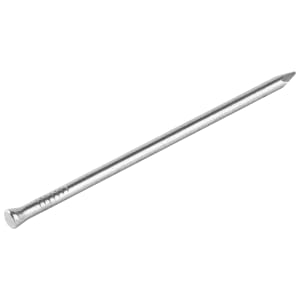
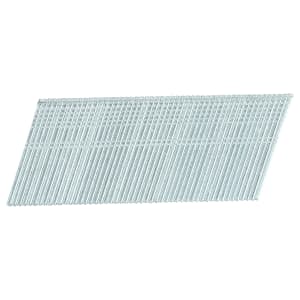
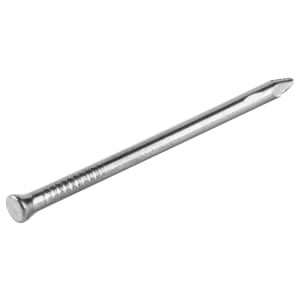
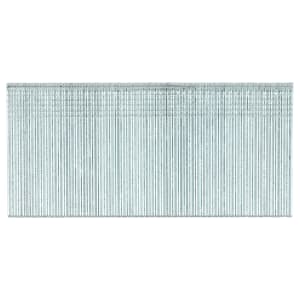
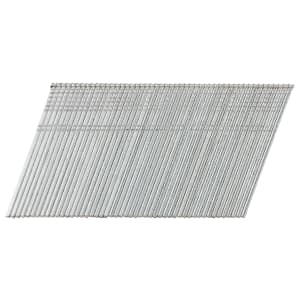
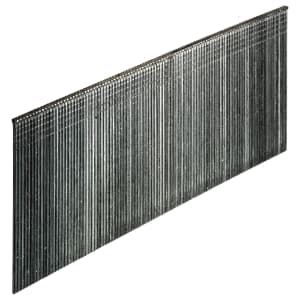
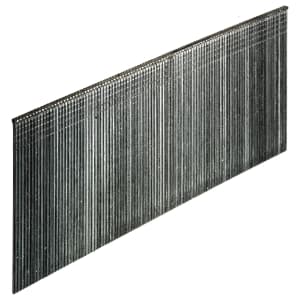
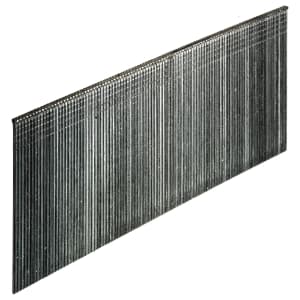
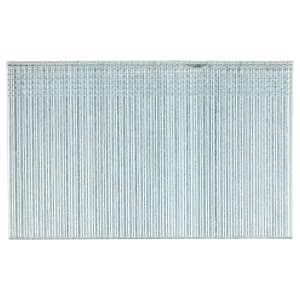
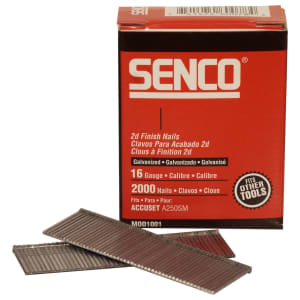
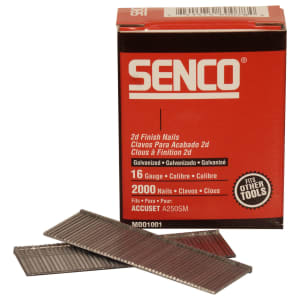
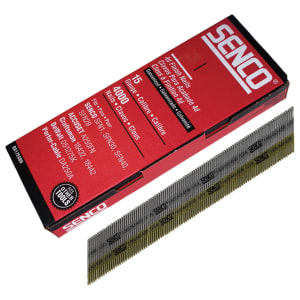

Complete your woodworking to the highest standard and trim projects with our diverse range of joinery nails, including panel pins, brad nails, veneer pins and more. Designed for precision fitting where a clean result matters, our collection includes a variety of sizes and finishes to suit everything from light household DIY to carpentry.
Choosing the right joinery nail or panel pin is key to securing timber trims without splitting thin wood sections or leaving unsightly marks. Unlike heavy-duty construction nails, joinery nails feature smaller gauges and specialised head shapes tailored to delicate timber joinery, furniture building, and decorative finishing work.
Discover our entire nail selection when working with different materials.
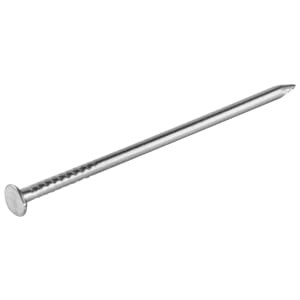
Joinery relies on specialised nails to withstand timber without splitting the grain or creating surface marks. Panel pins are designed for light assembly work like fixing ply panels, trim and decorative mouldings. Brad nails are frequently used for second-fix joinery such as architraves and door frames. Clipped head nails feature a minimal head that permits punching below the wood surface for flush filler application. And veneer pins are extra-fine gauge nails meant for delicate trim work and thin wood veneers.
The best nail for the job depends on the timber density, thickness, and desired final appearance. For skirting and architraves, oval wire nails or brad nails provide strong pull-out resistance while minimising grain split. For light trim and mouldings, panel pins or brad nails offer adequate holding power without damaging thin timber profiles. For concealed cabinet finishes, a lost head nail or veneer pin would be ideal because both can be punched down and covered easily with wood filler.
Alternatives for wood joinery depends on structural requirements and visible finish preferences. Wood screws offer great holding power and pull-down force, especially when joinery needs to be dismounted or re-tightened. On the other hand, wood adhesive creates a bonded seam stronger than the timber itself when clamped correctly.
Traditional mechanical joints such as dovetails or dowel joints reinforce structural strength without metal nails.