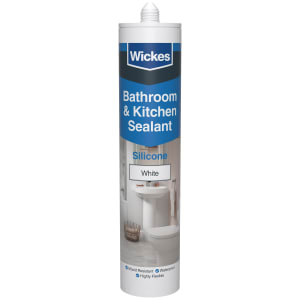
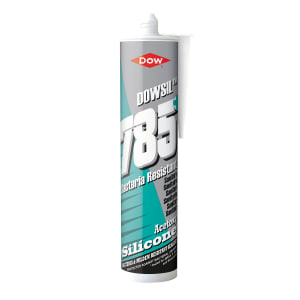
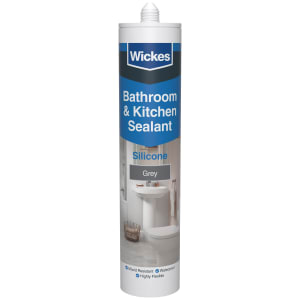
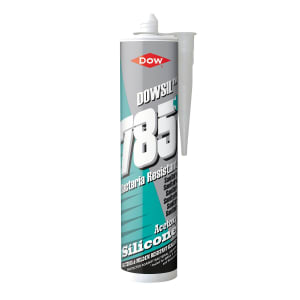
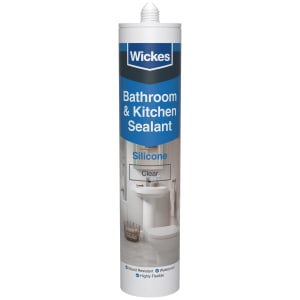
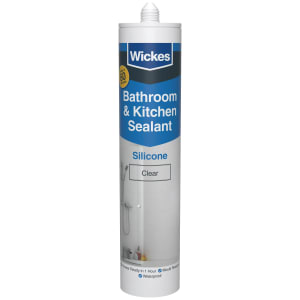
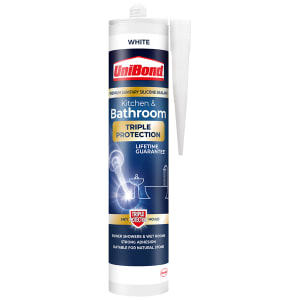
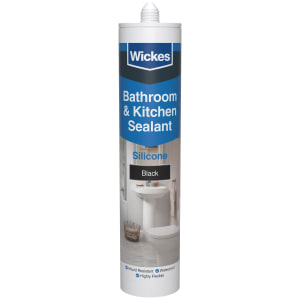
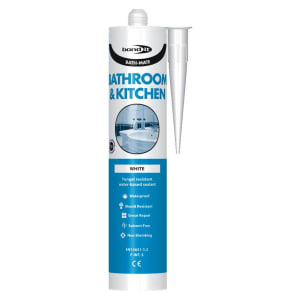
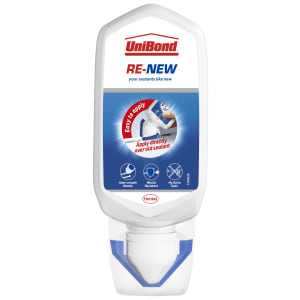
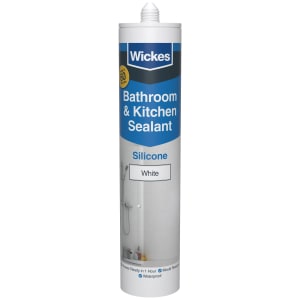
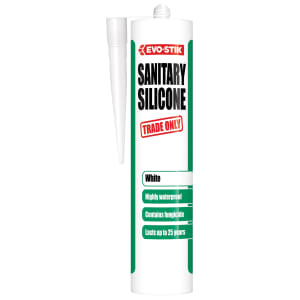
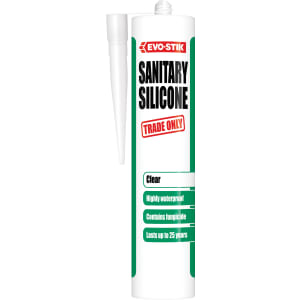
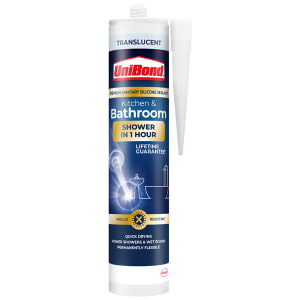
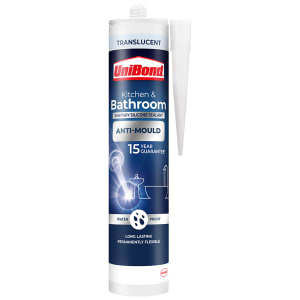
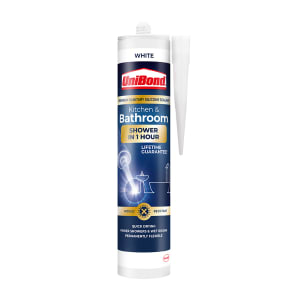
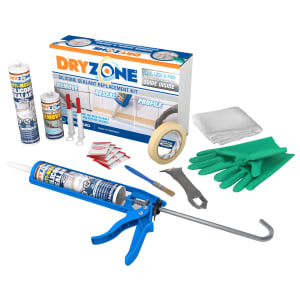
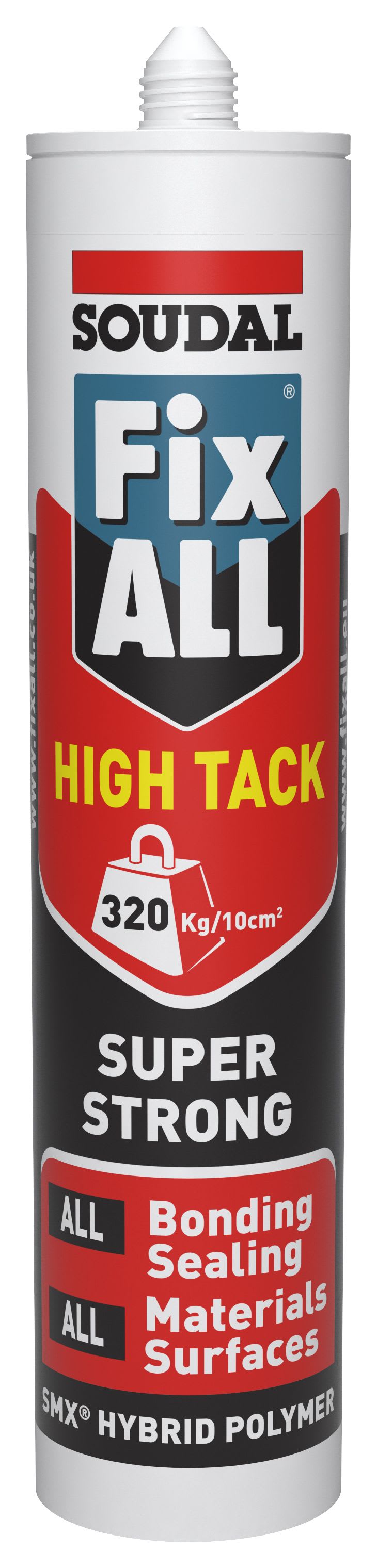
Optimise the functionality of high moisture areas in the home with our smooth application kitchen and bathroom sealants. Enhancing water and mould resistance, our sealants help to boost the longevity of fixtures by preventing water damage and ensuring a healthy environment for users. All of our kitchen and bathroom sealants offer fast adhesion, giving you peace of mind from the get-go. You can even paint the bond in as little as an hour after application, allowing you to complete the project efficiently.
Don’t forget, you can learn how to reseal a bath and shower in our handy guide.
FAQs
How to remove bathroom sealant
The easiest way to remove bathroom silicone sealant is to cut around the edges with a sharp utility knife, which should allow you to peel away the old sealant. You can then use a plastic scraper to get rid of any residue left behind. If there’s any stubborn areas, use a sealant remover, and always make sure you clean the area before you apply new sealant.
How long does bathroom sealant take to dry?
Usually, bathroom sealants are touch-dry within 30 minutes or a few hours depending on the conditions of the environment. However, a full cure can take 24 hours before you should expose the area to water.
How do you apply bathroom sealant?
Applying sealant is simple. All you need to do is clean and dry the area, cut the nozzle on the tube and hold it at a 45-degree angle before sealing the area. We recommend that you load the sealant tube into a caulk gun for a precise finish. Once you’ve sealed the area, you can use a sealant smoothing tool to apply steady pressure along the product, ensuring good adhesion.
If you’d like a step-by-step process, watch our video on how to seal a bath.
How to clean kitchen sealant
You should clean your kitchen with warm water, soap and a cloth or old toothbrush. Apply your soapy solution to the sealant and gently scrub with a cloth or toothbrush to lift the dirt from the surface.
If mould has started to appear on your sealant, instead of just soap and water, try using diluted white vinegar on the area and leave for 10-15 minutes before gently scrubbing and rinsing.
What are the different types of sealants for kitchen use?
You can find a selection of sealants suitable for kitchens in our collection. These are: