Plumbing
Find Out More
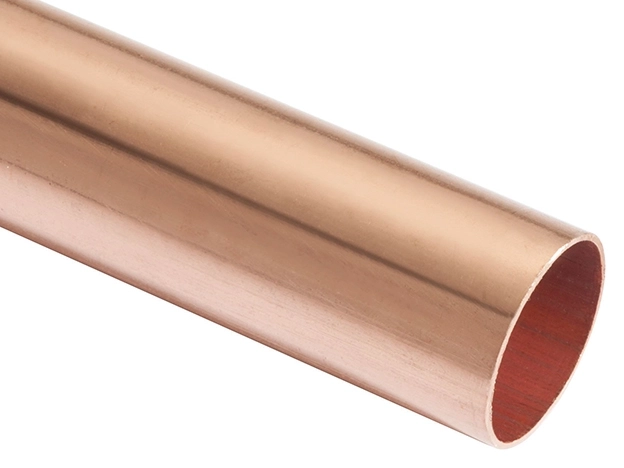
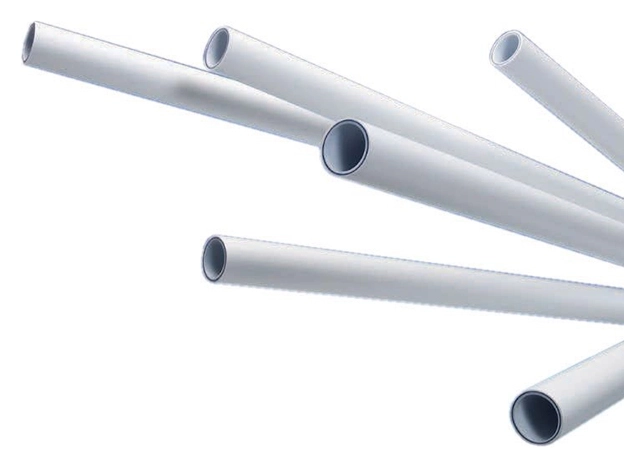
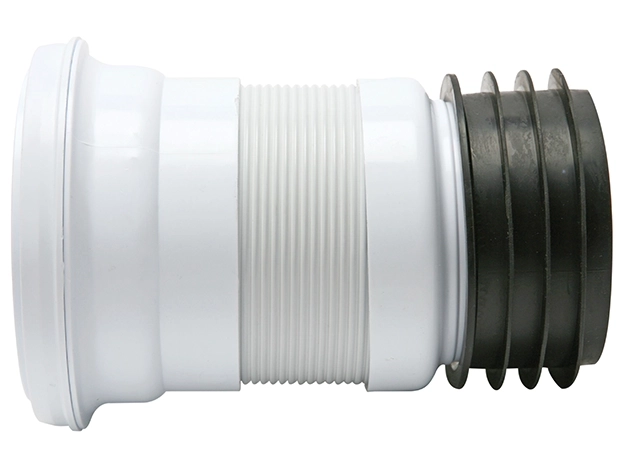
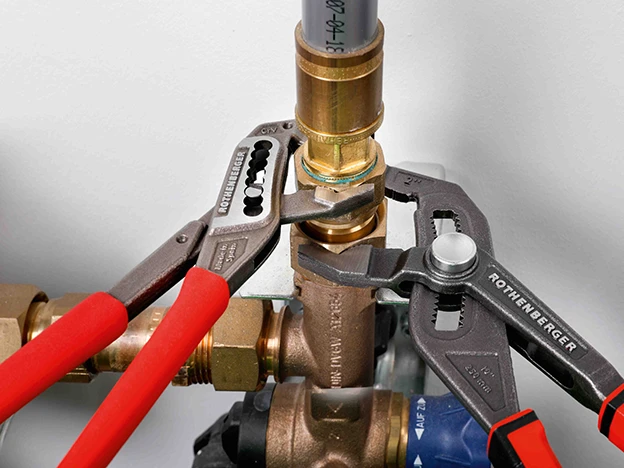
Our plumbing supplies, fittings and repairs range covers everything from basic supplies to specialised tools, ensuring you have everything to handle repairs, installations and maintenance with ease. Whether you're installing a new radiator or fixing a leaky kitchen tap, our products are built to last and suit a variety of projects. With tools to tighten connections, pipes for water flow and fittings to ensure secure installation, you’ll find what you need to keep your plumbing in top shape. Explore our plumbing parts collection to make your next project simple and stress-free.
Find out how to plumb a kitchen appliance in our easy-to-follow step-by-step guide.
Thinking of doing a full transformation of your bathroom? Discover our bathroom installation service, with a dedicated team to help you bring your dream space to life through a free design concept.
FAQs
What is plumbing?
Plumbing refers to the overall system of fixtures, fittings, pipes, and appliances that provide water and remove wastewater. Components that fall under the plumbing category include showers, sinks, toilets, baths, and the pipework that keeps everything connected. Maintenance, repairs, and installation are also a part of plumbing work.
How can I prevent plumbing problems?
Regular maintenance is key. Insulate your pipes in winter, avoid pouring grease down the drain, and use strainers to catch debris in sinks and showers. Scheduling occasional plumbing checks can also help spot potential issues early.
Can you fix plumbing issues yourself?
Yes, minor plumbing issues like a dripping tap or a blocked sink can often be fixed with basic tools and a little know-how. However, more complex problems, like persistent leaks or issues with your boiler, are best left to a professional plumber to make sure the job is done safely and effectively.
When is it time to call a professional plumber?
You should call a plumber if you’re facing issues like burst pipes, persistent leaks, blocked sewer lines or boiler malfunctions. If a problem seems beyond your expertise or involves your home’s water supply or heating system, it’s always best to seek professional help.
How do you remove push on plumbing fittings?
To remove push-fit elements, simply turn off your water, and pull the pipe out while the collar is held in, whether using a push-fit release tool or by pressing the collar toward the fitting. If you find that the fitting has a locking cap, you should remove it first.
How to clean brass plumbing fittings
Cleaning plumbing fittings is simple. All you need to do:
- Wipe away any dust or dirt using a soft cloth.
- Using a cloth that’s been submerged in warm water and mild soap, wash the fittings and dry them.
- If fittings are tarnished, use a specialist brass cleaner or a paste of lemon juice and baking soda (if suitable for the finish) and gently rub the fittings with a soft cloth before rinsing and drying them.
- To reinstate any shine, buff the fittings with a clean, dry cloth.
You should always avoid using harsh chemicals and abrasive pads to prevent damage to the finish and scratches.
Are plastic plumbing parts interchangeable?
Sometimes, but you should always check the part guidelines first as compatibility is key. They can vary by manufacturer, thread type, size, and fitting system (i.e. compression or push-fit).