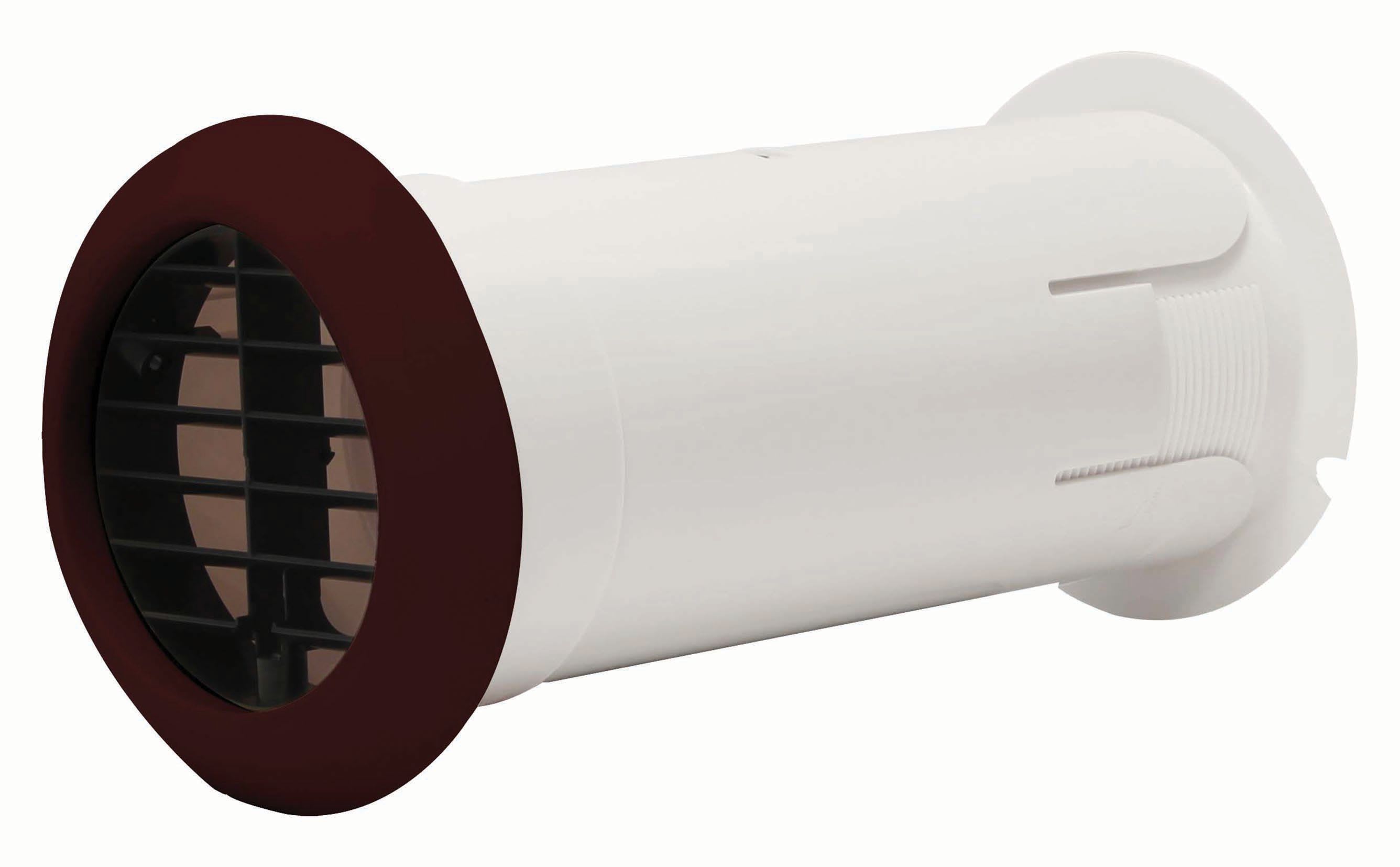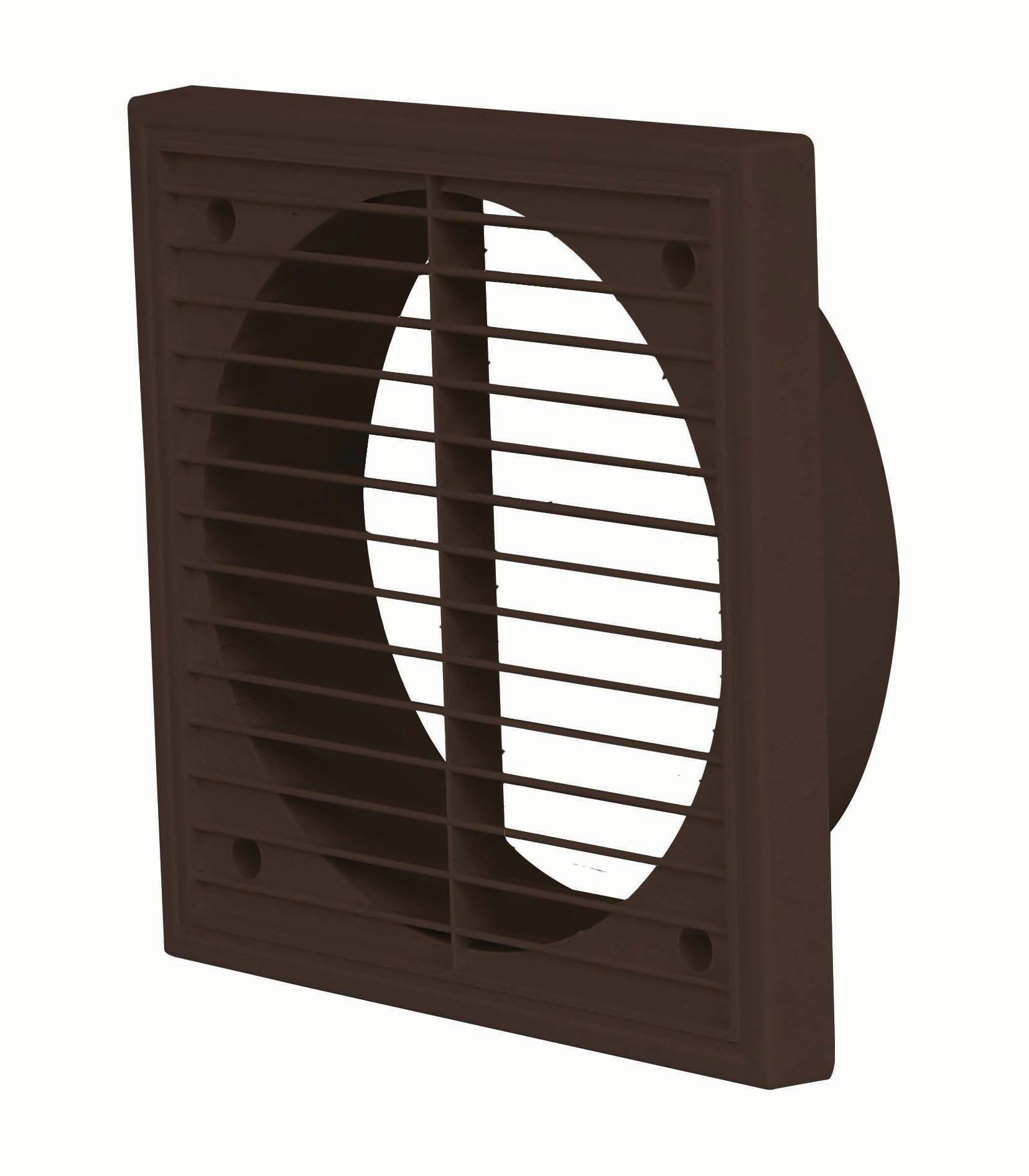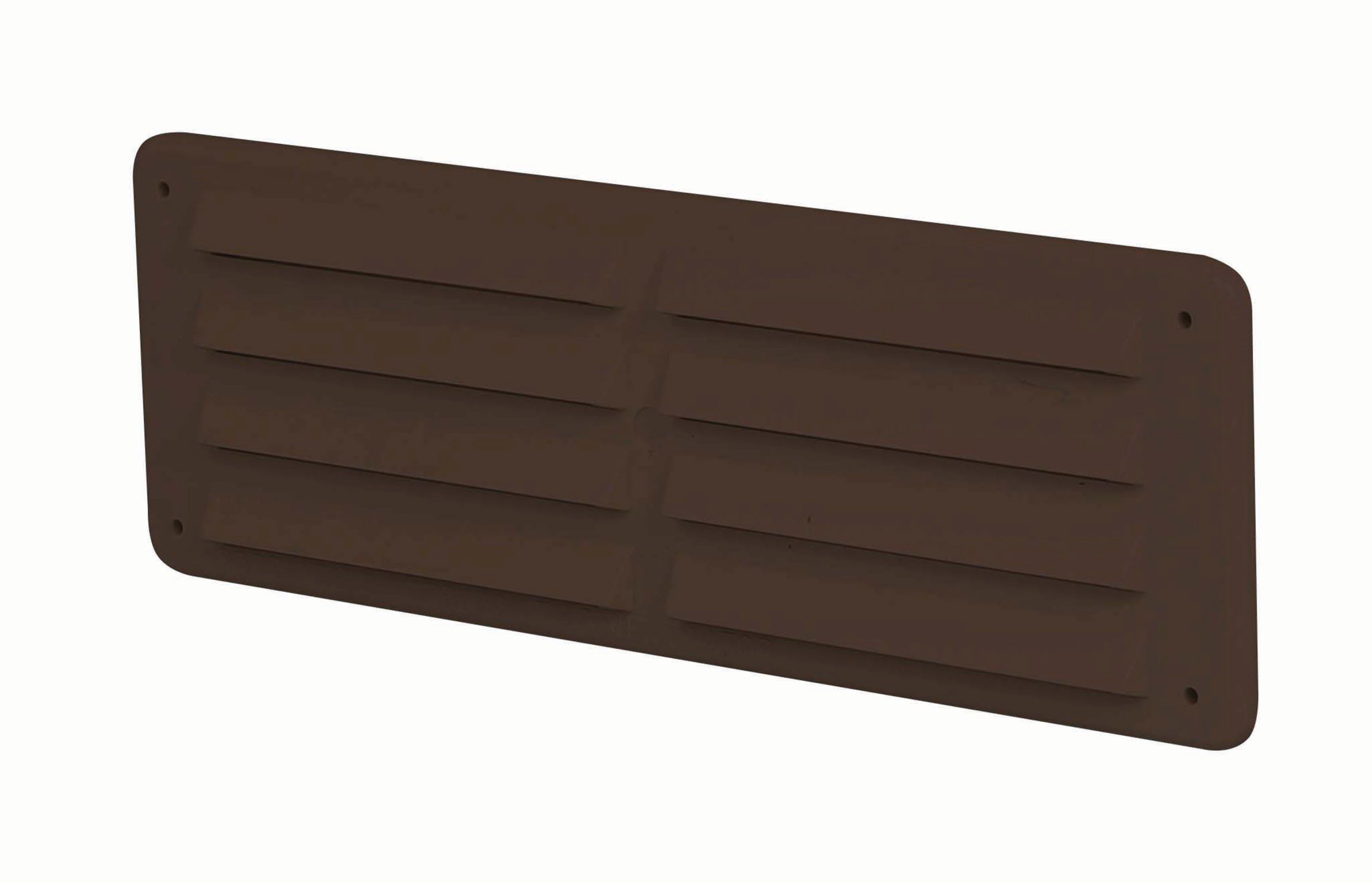
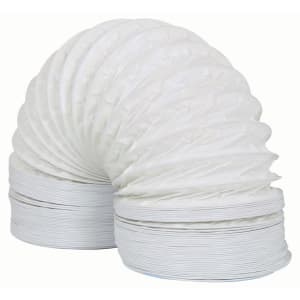
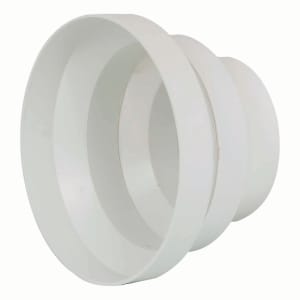
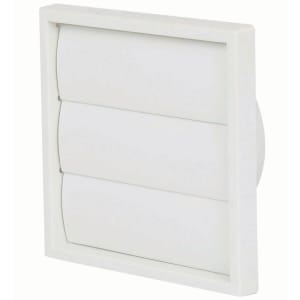
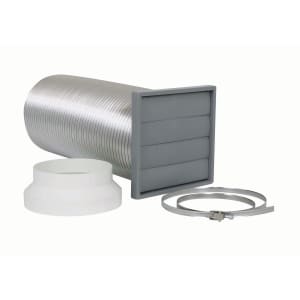
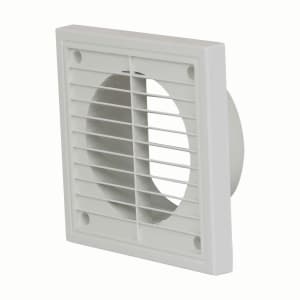
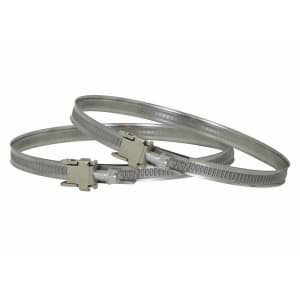
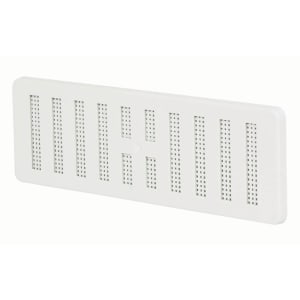
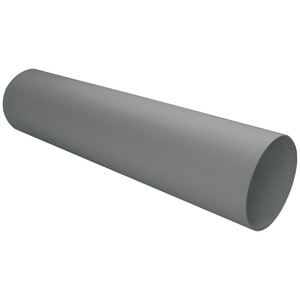
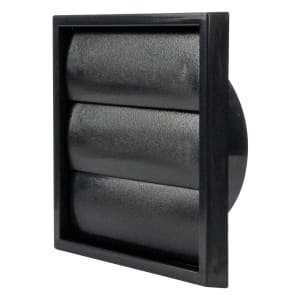
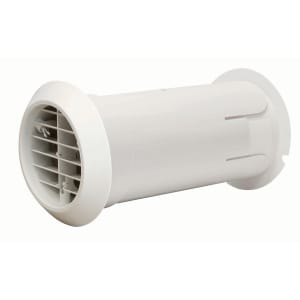
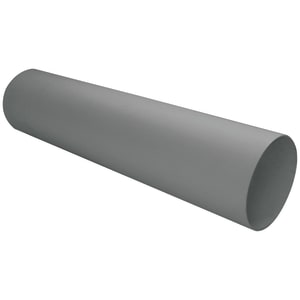
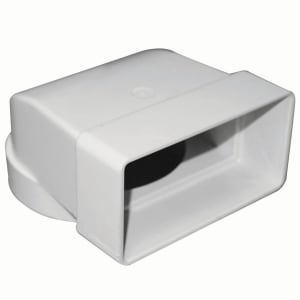
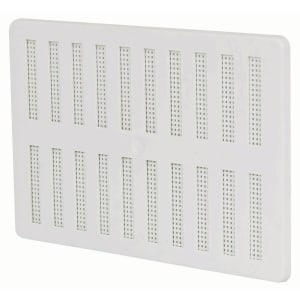
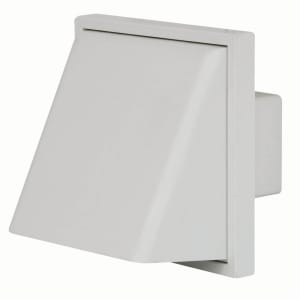
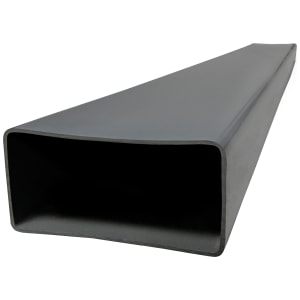
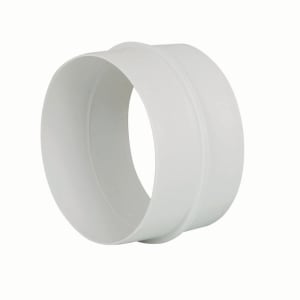
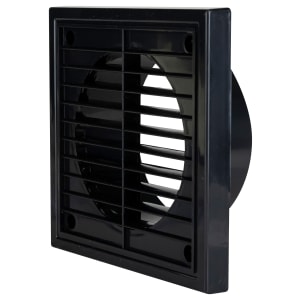
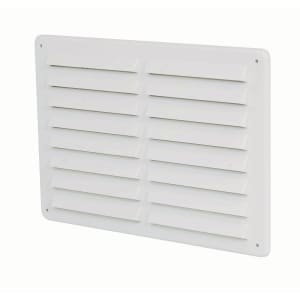
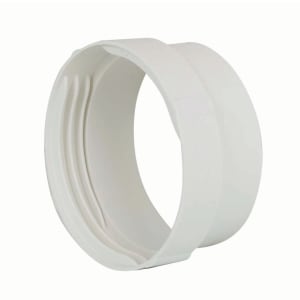
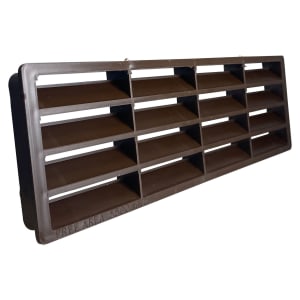
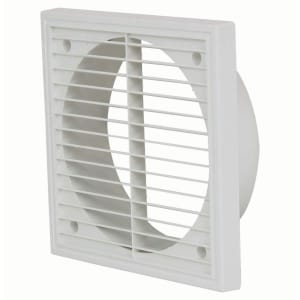

Maximise airflow and promote ventilation in buildings to prevent moisture build-up, condensation, dampness and timber decay with our range of ducting, air vent and airbrick products. These items are the answer to avoiding costly damp repairs in future, while also ensuring healthier air quality, protecting you and your property.
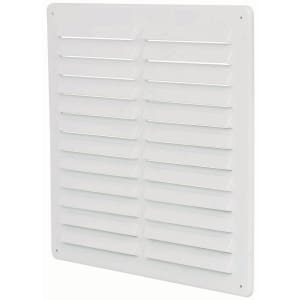
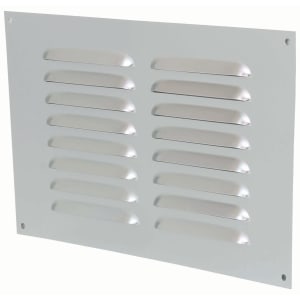
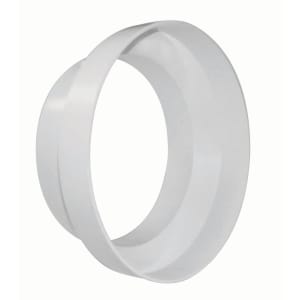
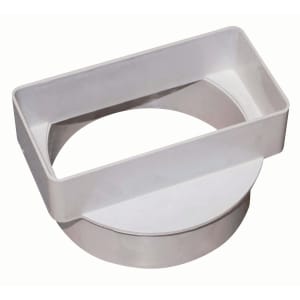
Proper ventilation in your home is crucial for your health and your property’s condition – and our ducting, vents and airbricks can help you achieve this. Working together, airflow is improved and excess moisture is eradicated, minimising damp issues from arising. Ducting directs air through ventilation systems, vents assist air circulation between the indoors and outdoors, and airbricks aid ventilation beneath flooring and within walls.
Keep your air clean and flowing with our other air ventilation products.
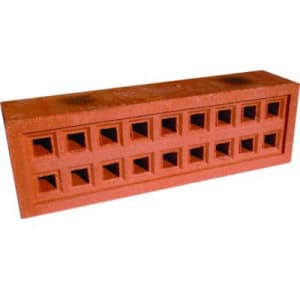
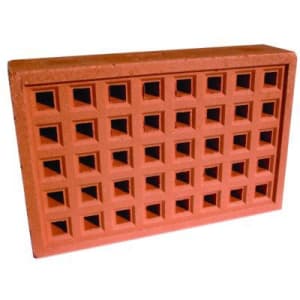
The purpose of airbricks is to provide proper ventilation underneath suspended timber floors, supporting fresh air to flow through the subfloor space. This prevents moisture build-up, minimising the risk of mould, damp and timber rot. Plus, indoor air quality will improve as a result, while airbricks will also protect a property’s structural integrity and the longevity of flooring materials.
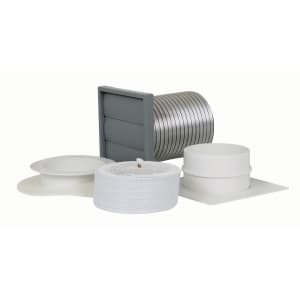
Firstly, it’s important you keep your ducting clean, dry and free from any obstructions. By regularly checking the ducting, you’ll be able to flag any dust build-up, leaks or damage. From this, you should then replace any necessary parts. You should clean accessible sections using a vacuum or a damp cloth where suitable. Always follow the manufacturer's instructions, especially when it comes to replacing or cleaning ventilation filters. By you or a professional keeping on top of inspections, you can prolong the life of your system.
Both offer various pros and cons to help you make your decision:
Flexible ducting
Pros: Lightweight, affordable and easy to install in narrow or awkward spaces, perfect for shorter ventilation runs
Cons: If bent or sagging, airflow can be restricted, and it’s usually less durable
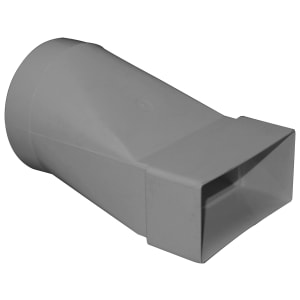
Rigid ducting
Pros: Excellent airflow efficiency and durability, and easy to maintain, ideal for longer or permanent installations
Cons: Can be more expensive and difficult to install without ample space
Which you opt for should come down to ventilation requirements, budget and how much space you’ve got to work with.