Radiators
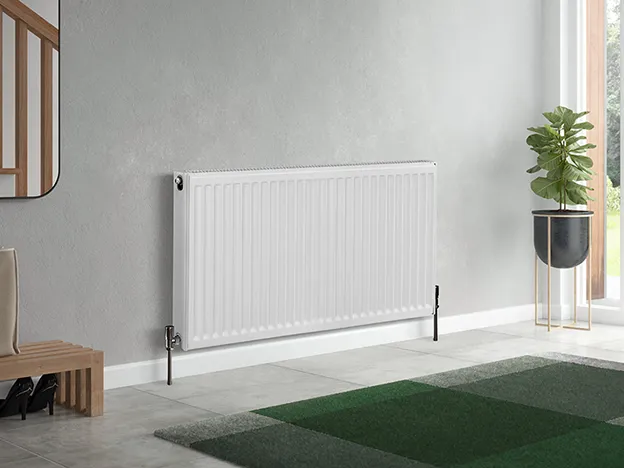
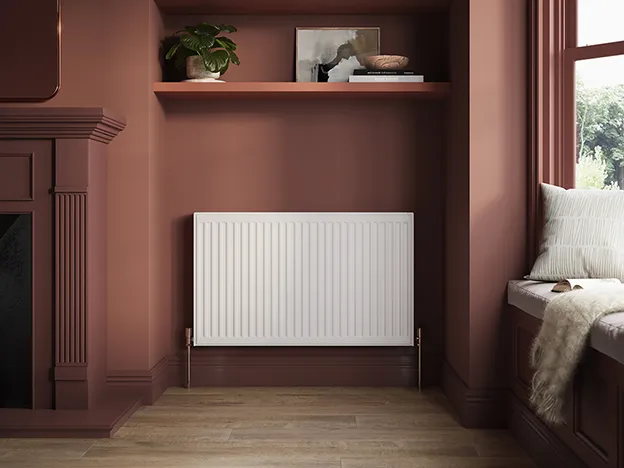
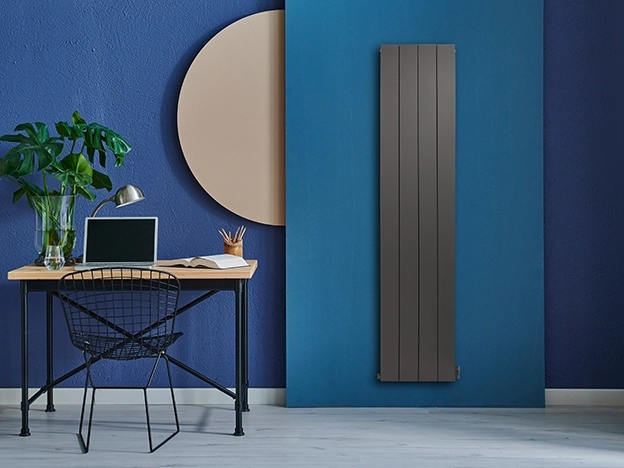
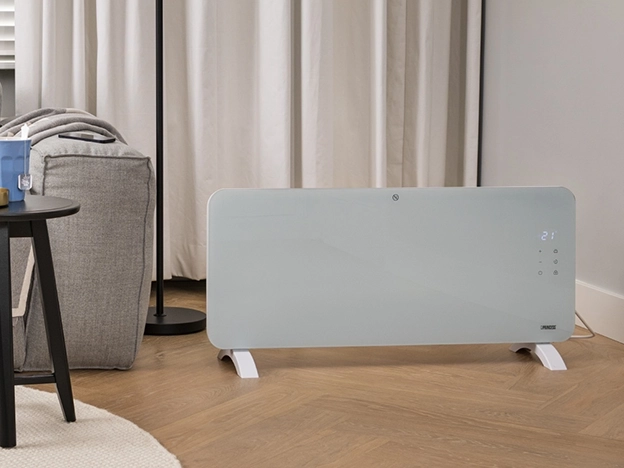
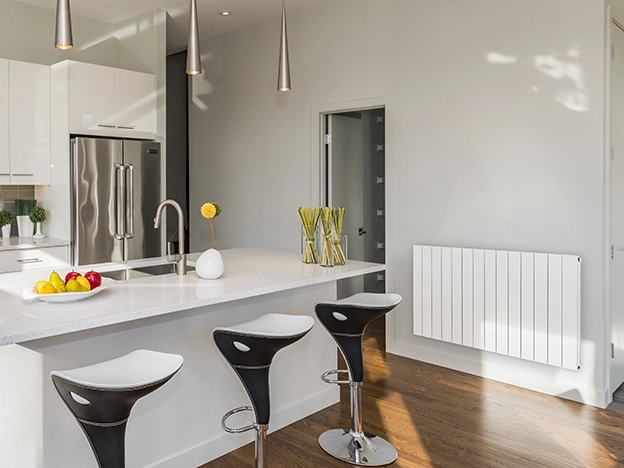
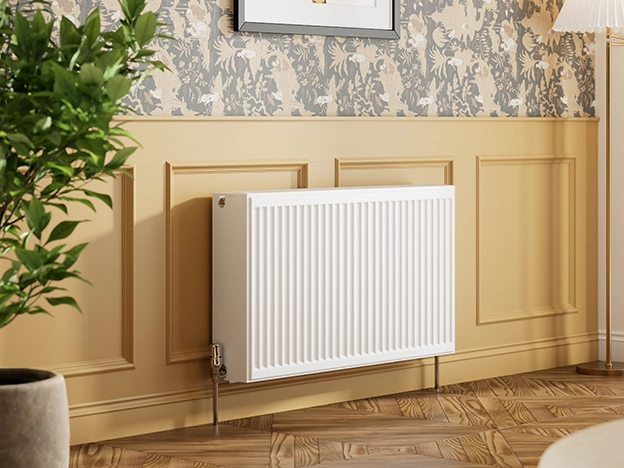
Complete your home's heating system in style with our collection of modern radiators, offering optimum performance and sleek aesthetics. From our range of Wickes & Homeline by StelRad compact radiators to the ultra-modern Homeline by Henrad, we've covered all grounds in our collection. Plus, with horizontal, vertical, flat panel and so many radiator sizes to choose from, your radiator becomes more than a heating device, but a design choice.
Find Out More
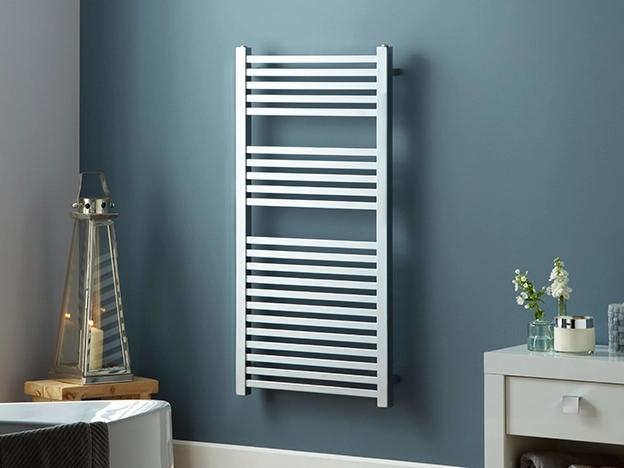
Our collection of central heating radiators is designed to efficiently heat the home and add a stylish addition to the space. Choose from various styles to suit your interiors, from towel bathroom radiators to single-panel and double-panel designs, so you can find an option that won’t overpower or look underwhelming in the room size. These radiators are high performing, compatible with traditional and modern heating systems, and are from the most reputable brands in the industry.
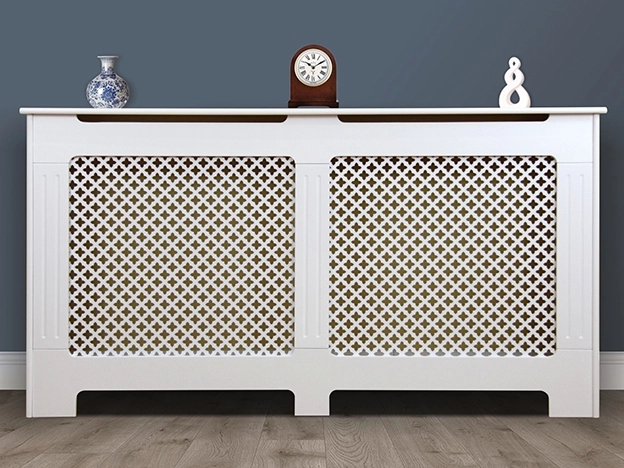
To accomplish the perfect chic finish, shop our radiator covers in oak, white or ready-to-paint versions.
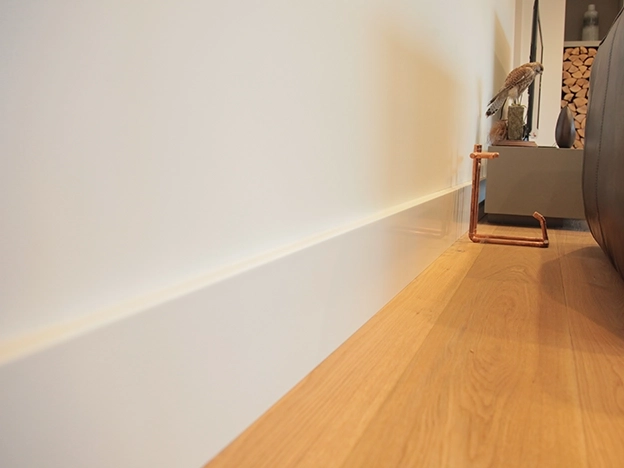
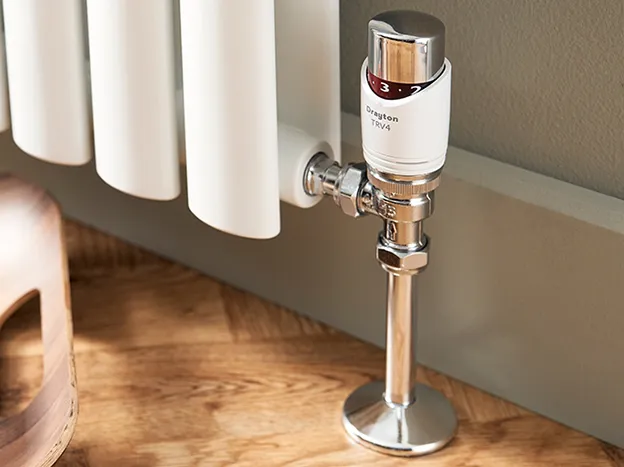
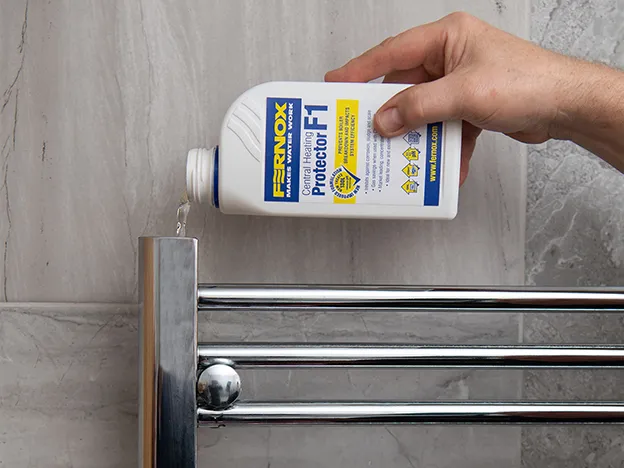
After installing your modern radiators, stay on top of their maintenance with our tools and accessories. From valves and lockshields to pipe sleeves and bleed keys, we can help you keep your radiators running smoothly and looking great.
Don’t forget to also read our easy-to-follow guide on balancing radiators for expert advice and tips on the process.
Types of Radiators
We stock a variety of radiator types so you can choose a variation to suit the needs and size of your space.
Double Panel Radiators: Two panels, most commonly with fins. Offer much more output than single panel types, and are often used in living rooms and bedrooms.
Single Panel Radiators: A singular water filled panel, with or without a fin layer. Lowest heat output for size, but good in small and well-insulated rooms.
Triple Panel Radiators: Three panels with fins, offering the highest heat output for a compact width. Ideal in smaller spaces, or large rooms that have poor insulation properties.
Designer Radiators: These prioritise style alongside efficiency. You’ll find different designs, unusual shapes and unique finishes to add character to a room.
Towel Radiators: Styled in a ladder fashion, and are often used in bathrooms, toilets and ensuites to hold towels, ensuring they’re dried and don’t exude dampness. Available in electric, central heating and dual-fuel variations.
Kitchen Radiators: Designed to save space around units and appliances in the kitchen and have an easy to wipe surface.
FAQs
How do radiators work?
Radiators work from hot water being circulated through them by the boiler, warming up the room through convection, which refers to air rising and circulating as it passes over a hot surface, and radiant heat.
How to clean radiators
Make sure your radiator is switched off and cooled down and then take a vacuum or brush to remove any dust that’s accumulated on the top and between the fins. You can then wipe the entirety of the radiator with a damp cloth and mild soapy water. Finish with an extended, thin radiator brush to reach behind the back and against the wall.
Why are my radiators not getting hot?
Usually this is a sign of trapped air, and you should bleed your radiator. Or it can be a stuck thermostatic valve pin, closed valves, problems with boiler pressure, or sludge build-up in the system. If your entire heating system is cold, double check the boiler and timer settings first.
For more troubleshooting, check out our guide on how to replace a radiator.
Are black radiators more efficient than white ones?
No, it’s a common misconception that radiator colour impacts heat output. Things like the size, material and water temperature are what determines efficiency.
Why are my radiators cold at the bottom?
This is often down to rust deposits, which get sludgy and block circulation. You should undergo a power flush or a magnetic filter and cleaner. If it’s cold at the top instead, it’s likely because of trapped air and will need to be bled.
Can underfloor heating replace radiators?
Yes, underfloor heating has become a popular choice for new builds and renovations as it can be used in conjunction with a heat pump. However, it can be complex to fit otherwise and is slower at warming a room.
What are radiators made of?
More often than not, radiators are made from pressed steel. You can also get aluminium, cast iron or stainless steel variations on the market.
Why do my radiators click?
You’ll often find radiators will click due to expanding and contracting as they heat up and cool down. It’s normally no cause for concern, and you can try reducing the sound by making sure pipe clips or brackets are tightened.
How many radiators do I need?
Usually one per room is sufficient. But you should size each room and use a BTU calculator to understand heat loss of the space.
How to turn off radiators
All you need to do is turn the thermostatic valve to 0 or off. If you have a manual valve, you should be able to turn it clockwise until it stops. We recommend you switch off radiators in rooms that aren’t used to save energy.
Why are my radiators noisy?
Noisy radiators are usually caused by trapped air (gurgling), sludge, your boiler pump running too fast, or a partly closed valve (whistling). If you’re hearing tapping or banging, this could be a loose pipe or limescale build-up in the boiler.
.