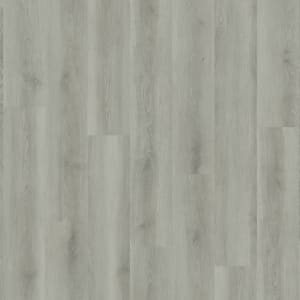
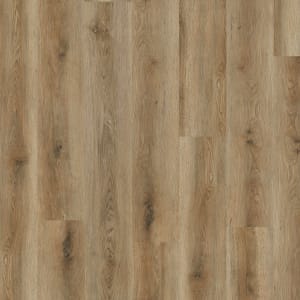
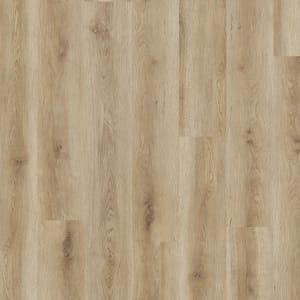
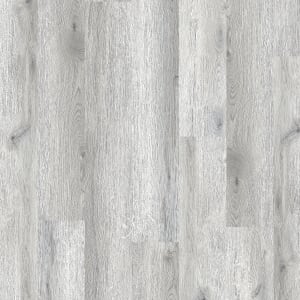
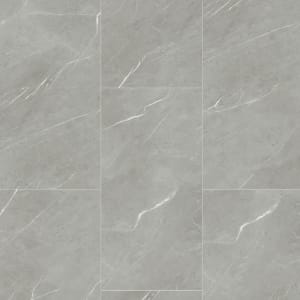
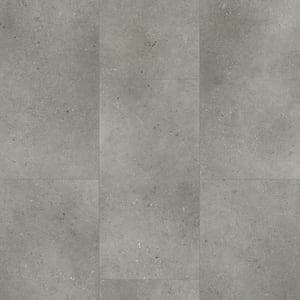
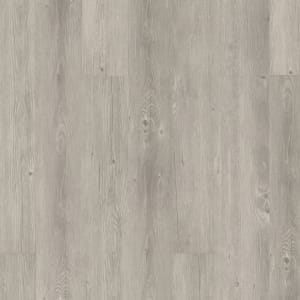
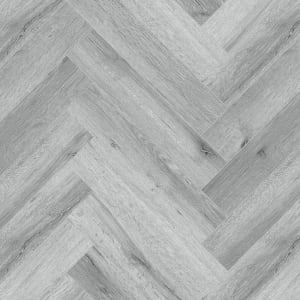
Explore our wide collection of affordable marble, wood and stone effect luxury vinyl flooring. Not only is it easy-to-install, but there’s plenty of styles, colours and finishes to choose from, making it a hugely popular choice for homeowners. Whether you opt for a stylish herringbone effect or a modern marble tile effect, we have a LVT flooring design to compliment any interior. Waterproof, pet-friendly and germ-resistant, vinyl flooring is perfect for kitchens, bathrooms and wherever else needs an upgrade.
Unsure which to opt for? Discover our LVT flooring buying guide, so you can bring your vision to life.
For an extra helping hand, we also have a guide on how to lay vinyl floor tiles.
FAQs
What is LVT flooring?
LVT flooring is a synthetic flooring type that combines PVC (polyvinyl chloride) with other materials to create an affordable and reliable flooring solution. It’s hard-wearing, waterproof and comes in a range of styles while being low maintenance, making it very popular for homes and businesses.
How do you lay vinyl flooring?
Begin by preparing the floor by cleaning, levelling and drying it. Then, measure and cut your vinyl flooring to fit the space, but leave a small expansion gap around the edges. For sheet vinyl, you’ll want to apply adhesive to the floor before smoothing the vinyl into place, ensuring all air bubbles are removed as you go. For LVT floor tiles, start in the centre or at the longest wall and click or stick the pieces together, ensuring the seams are tight. Lastly, trim the edges, install your skirting or beading to cover any unwanted gaps and allow your new floor to settle before heavy use.
Can you put vinyl flooring over tile?
Yes, it’s possible to install vinyl flooring over tiles, but they must be clean, level and in good condition. We recommend filling any grout lines or uneven areas beforehand for a smooth surface to work with.
What is LVT flooring?
LVT flooring is a synthetic flooring type that combines PVC (polyvinyl chloride) with other materials to create an affordable and reliable flooring solution. It’s hard-wearing, waterproof and comes in a range of styles while being low maintenance, making it very popular for homes and businesses.
What is LVT flooring made of?
LVT flooring is made up of various synthetic materials which are layered together to create a robust and durable flooring type. It’s primarily made from PVC (polyvinyl chloride), and features a protective wear layer, a decorative printed layer that takes the appearance of wood or stone, a flexible or rigid vinyl core, and a backing later to maximise comfort and stability.
How do you lay vinyl flooring?
Begin by preparing the floor by cleaning, levelling and drying it. Then, measure and cut your vinyl flooring to fit the space, leaving a small expansion gap around the edges. For sheet vinyl, you’ll want to apply adhesive to the floor before smoothing the vinyl into place, ensuring all air bubbles are removed as you go. For LVT floor tiles, start in the centre or at the longest wall and click or stick the pieces together, ensuring the seams are tight. Lastly, trim the edges, install your skirting or beading to cover any unwanted gaps and allow your new floor to settle before heavy use.
For a detailed view, check out our how to lay vinyl flooring guide.
Can you put vinyl flooring over tile?
Yes, it’s possible to install vinyl flooring over tiles, but they must be clean, level and in good condition. We recommend filling any grout lines or uneven areas beforehand for a smooth surface to work with.
Can you put vinyl flooring over wooden floorboards?
Yes, you can fit vinyl flooring directly onto wooden floorboards, but they’ll need to be clean, dry, level and well-structured. If you have any damaged or loose boards, they’ll need repairing or restabilising first, and you’ll need to correct any unevenness or large gaps with plywood or underlay.
Do you need underlay for vinyl flooring?
It depends. Certain vinyl flooring comes with integrated underlay as standard, so you don’t have to worry about adding it first. If your variation doesn’t, you’ll need to check the product type and subfloor – the manufacturer will advise if you need underlay and what type as using wrong underlay can impact stability and performance.
What does LVT flooring stand for in flooring?
LVT stands for ‘Luxury Vinyl Tile’ and is designed to replicate higher end flooring types like authentic wood, stone or ceramic tiling.
Is vinyl flooring good?
Absolutely. Vinyl flooring is very popular for homeowners as it’s water-resistant, durable, easy to maintain and affordable. It’s suitable for all areas of the home and can mimic the appearance and comfort of authentic materials like wood or stone without the hefty price tag or upkeep.
Is LVT better than laminate?
It depends on your requirements and preferences. LVT is usually considered better for high moisture areas and is softer underfoot. Whereas laminate is great for scratch resistance and often looks more authentic.
How thick is LVT flooring?
LVT flooring ranges in thickness, especially as many types have underlay integrated. Our vinyl flooring starts at 2mm.
Is vinyl flooring waterproof?
No, vinyl flooring isn’t fully waterproof, but it is water resistant, meaning it can withstand certain levels of moisture, but not huge amounts of water from the likes of leaks.
How to clean vinyl flooring
Keeping vinyl flooring clean is easy and straightforward. You’ll need to sweep or vacuum it regularly and mop it on occasion with warm water and a mild vinyl-suitable floor cleaner. You should never drench the tiles or use harsh chemicals to avoid damage. Be quick on spillages to ensure they don’t stain the surface.
Can you use a steam mop on vinyl flooring?
No, you shouldn’t use a steam mop on vinyl flooring as the heat and moisture levels can cause damage to the surface, potentially impacting the colour or adhesive performance.