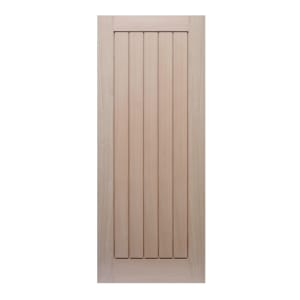
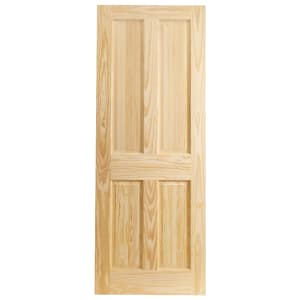
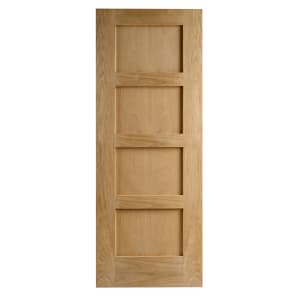
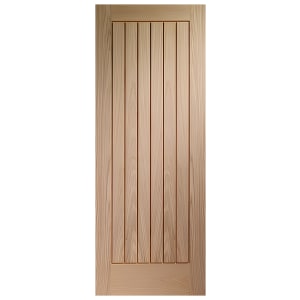
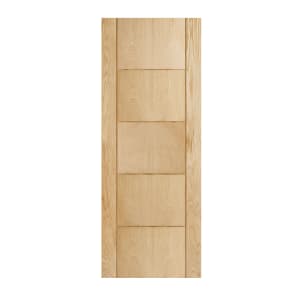
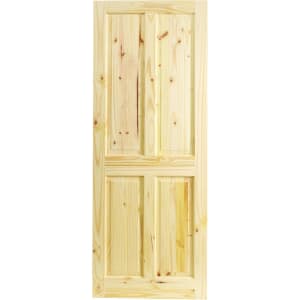
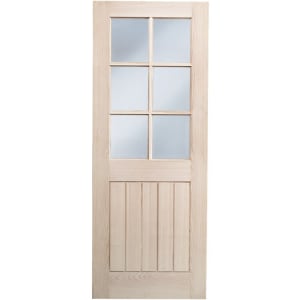
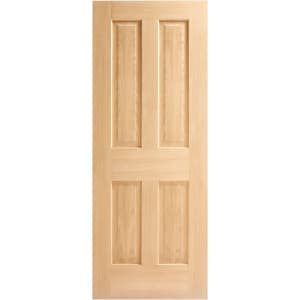
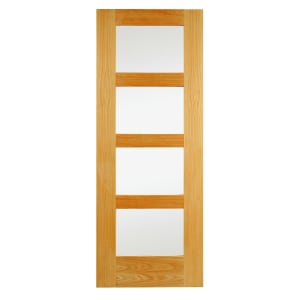
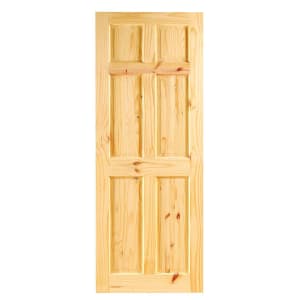
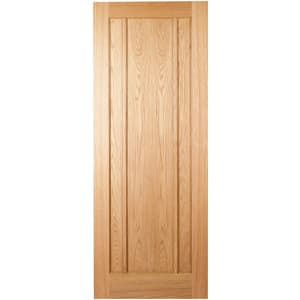
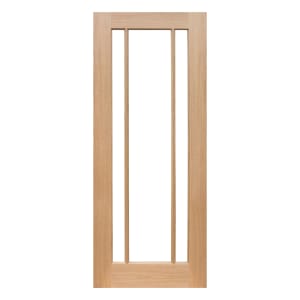
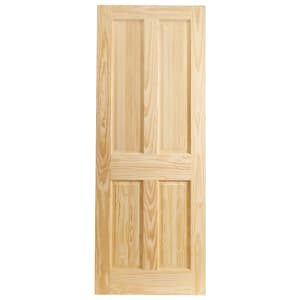
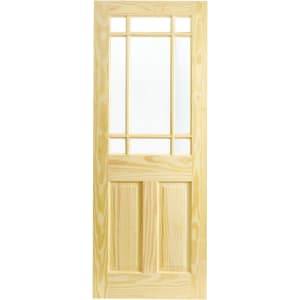
A wooden door is a staple of any home, available in a variety of modern and traditional finishes and styles. Whether you’re looking for a cottage door, a sleek panelled option or a glazed door, internal wooden doors naturally complement any style whilst providing solid sound proofing and durability across your home.
Wooden doors are also one of the most flexible options for trimmable doors; the perfect choice for fitting non-standard door frames or raised flooring.
Why not explore our full collection of internal doors and discover a variety of materials, designs and finishes to add the finishing touch to your dream home? And don’t forget to check out our internal doors buying guide and explore endless interior inspiration and advice today.
How do you clean a wooden door?
To clean a wooden door, you should start by removing any dust or debris from the surface. Next, use a damp cloth and a neutral cleaning solution to wipe the door clean before rinsing with fresh water. Once clean, immediately dry the door with a microfibre cloth to prevent the wood from warping.
For a more in-depth clean, remove any handles or knobs from the door before cleaning and polishing these separately.
How do you fix a hole in a wooden door?
You can easily fix holes and scuffs in wooden internal doors by first cleaning the area before using wood filler to fill the gap. Once the filler is dry, sand the area and apply a paint shade which matches the rest of the door.
For bigger holes, you may still be able to fill the hole with wood filler and paint over it. However, for large holes, especially in hollow core doors, the whole door may need to be replaced.
How do you paint a wooden door?
To paint a wooden door, start by removing the door from its hinges if possible, and removing all hardware and fixings. Before painting, ensure any gaps or holes in the door have been filled before cleaning and sanding the door to create a smooth surface for the paint.
Next, apply a suitable wood primer, allowing it to dry completely before lightly sanding and removing any dust. Finally, grab your paint and use a brush to paint the door, working in smooth, vertical motions – you may wish to use an angled brush for corners or edges, especially for glazed or French doors. Allow the paint to dry before rehanging the door.